The audit, first
Before a single new send: flow coverage, segment health, sending reputation, list hygiene, forms, and where your last 90 days of revenue came from. Most accounts have two or three obvious leaks.
Email & SMS marketing · Orange County
Klaviyo flows, a real campaign calendar, segmentation and SMS, run by one senior marketer. One program I ran grew from $16K to $102K in monthly attributed revenue.
 Orange County, CA
Brands Jennifer has led marketing for
The number I lead with
Search "email marketing agency Orange County" and you get directories and agency subpages promising growth without publishing a single figure. Here is mine.
For Nutrition Faktory, the email and SMS program I ran grew from $16K to $102K in monthly attributed revenue. That is the whole claim. No asterisk, no "up to," no percentage stretched across a chart. One brand, one owned-channel program, one engagement.
I lead with it because it answers the only question that matters when you're choosing an email marketing agency Orange County side: has this person actually moved owned revenue, or do they just talk about it?
It's also fair to interrogate. Your business isn't that business: different list, different margins, different buying cycle. What travels between brands isn't the number, it's the method. Audit, fix deliverability, build the flows that catch people at peak intent, then run campaigns against real segments. The rest of the work is on the case studies section of the homepage.
What an engagement covers
We start with what unlocks revenue fastest, then add the rest as the program matures.
Before a single new send: flow coverage, segment health, sending reputation, list hygiene, forms, and where your last 90 days of revenue came from. Most accounts have two or three obvious leaks.
The highest-performing flow in most accounts. It turns the interest that earned the signup into a first order and teaches the inbox that people want to hear from you.
Cart, checkout, and browse, in email and SMS together. The warmest audience you will ever message: they told you what they want, then got distracted.
Confirmation, shipping, how to use the thing, a review request, then a cross-sell timed to when the product runs out. Winback picks up customers who have gone quiet.
A planned calendar tied to your promo schedule, product drops, and seasonality. No more Thursday-afternoon panic: you know what's going out for the next four to six weeks, and why.
The highest-leverage fix in most accounts, and the least glamorous. Engaged versus lapsed, buyers versus browsers, one-time versus repeat. The right message to the right slice beats another blast.
Built with restraint. SMS is intimate, expensive per send, and unforgiving of a wasted message, so I save it for timely moments: a launch, a real sale, a back-in-stock.
Authentication (SPF, DKIM, DMARC), sender reputation, and a real sunset policy for people who stopped opening. If you're landing in spam, nothing else on this list matters.
Signup forms that don't insult your visitors, a reason to subscribe beyond "10% off," and capture points across the site, packaging, and in-store.
Email & SMS Marketing is one of the nine services Brightwork offers, alongside Amazon growth and retail launch marketing. For consumer brands doing email and SMS marketing in Orange County, owned channels are where I'd start, because you aren't renting the audience.
Why owned channels
Paid media is rented attention: the moment you stop paying, it stops. Your email and SMS lists are the only audiences you keep, and they cost a fraction of a click to reach again.
The numbers back it up. According to Klaviyo's 2026 email benchmarks, drawn from more than 183,000 brands, automated flows deliver over 3× the click rate and 13× the placed-order rate of one-off campaigns, and generate nearly 41% of email revenue from just 5.3% of sends. Omnisend's 2025 study of over 20 billion emails tells the same story from a different dataset. All of the current, sourced figures live in one place: the email and SMS benchmarks guide for DTC brands.
As for how much of your revenue email and SMS should carry: Eightx, an ecommerce finance firm, puts a healthy band at 20–40% of total revenue from email plus SMS combined, with a cross-vertical median near 28%. Food, beverage and supplements sit highest in their breakdown at 28–38%, electronics lowest at 12–20%. Treat that as a compass, not a scoreboard: benchmarks are averages across very different senders.
Who it's for
Most of my email and SMS work falls into two camps, and they need different programs. Being honest about which one you're in saves months.
If you have almost no traffic and no list, email is not your first problem. Get people to the site first, and put up a signup form and a welcome flow while you do it.
And if you need one campaign built, once, a freelancer is cheaper than any agency. The agency vs. freelancer vs. fractional guide lays out the trade-offs.
right help, right stage ✦Platforms
Most of my ecommerce work runs in Klaviyo, because for Shopify brands it makes segmentation and flows straightforward. But the platform is a means, not the point.
If you're looking for a Klaviyo agency Orange County businesses can actually get on the phone, that's the work I do most. I build inside your own Klaviyo account: your data, your logins, your property. Nothing lives in a dashboard you lose access to when the engagement ends.
I also work in the mainstream ESPs, Mailchimp, Shopify Email, Constant Contact, Brevo, HubSpot, and SMS platforms like Attentive or Postscript. If your platform is fine, we keep it. Migrations cost time and put deliverability at risk.
A note on honesty, because this corner of the market is full of badges: I don't claim partner status or certifications I don't hold. What I bring is 12+ years building these programs, including the Nutrition Faktory result above. Judge that, not a logo in a footer.
Realistic expectations
Nobody can promise a revenue number before seeing your account. Here is the honest shape of a first six months.
Flows produce the earliest wins because they start working the day they go live and never stop. Deliverability repair is slower: a damaged domain reputation takes a couple of months of careful sending to recover.
The honest headline: most accounts see meaningful movement inside the first 60 to 90 days, and the compounding part takes two or three quarters of consistent sending. Anyone quoting a percentage lift before opening your account is guessing.
How to shop for this
I'd rather you hire the right person than hire me by accident. If you're evaluating an email marketing agency Orange County shortlist, ask about these.
One more thing worth checking: who actually does the work. On most agency retainers, the person who sells you the program isn't the person building your flows. Brightwork is boutique by design, so the answer is short: it's me, every week. For the wider view, there's an honest rundown of boutique Orange County agencies.
The two moments that matter most
Two windows do a disproportionate amount of the annual work, and both are won months in advance.
By the time Black Friday week arrives, the outcome is largely decided. The work that matters happens earlier: growing and warming the list through fall, sunsetting dead addresses before peak volume, building the BFCM flows and segments in advance, and settling your discount ladder before the panic. There's a dated timeline in the holiday marketing plan for Orange County businesses.
January is the most under-used month in the calendar. You just acquired a wave of first-time gift buyers, plus people who signed up for a Black Friday discount and never bought. Both are still warm and almost nobody messages them properly. A good January program converts the gift buyers, reactivates the discount-only subscribers with something other than another discount, and cleanly sunsets the rest.
Launching into retail on top of this? The seasonal calendar gets complicated fast, and that's covered in the guide to launching a product into retail.
What it costs
There is no rate card on this page, and I'd be suspicious of one anywhere else. What it costs depends on how much is already built, how many flows we need, whether SMS is in scope, and whether I'm producing the creative.
What I can tell you is the shape. A one-time audit is the cheapest way to find out whether there's money sitting in your account. A build engagement is fixed scope and finite. An ongoing retainer, flows plus a campaign calendar, is the most common shape for growing DTC brands.
For real ranges, read what marketing costs for an Orange County small business. If you need senior leadership across more than one channel, see fractional CMO services in Orange County.
Either way, pricing gets scoped on a free discovery call after I've looked at your account, not before. Con corazón, but also with a spreadsheet.
Who you'd be working with
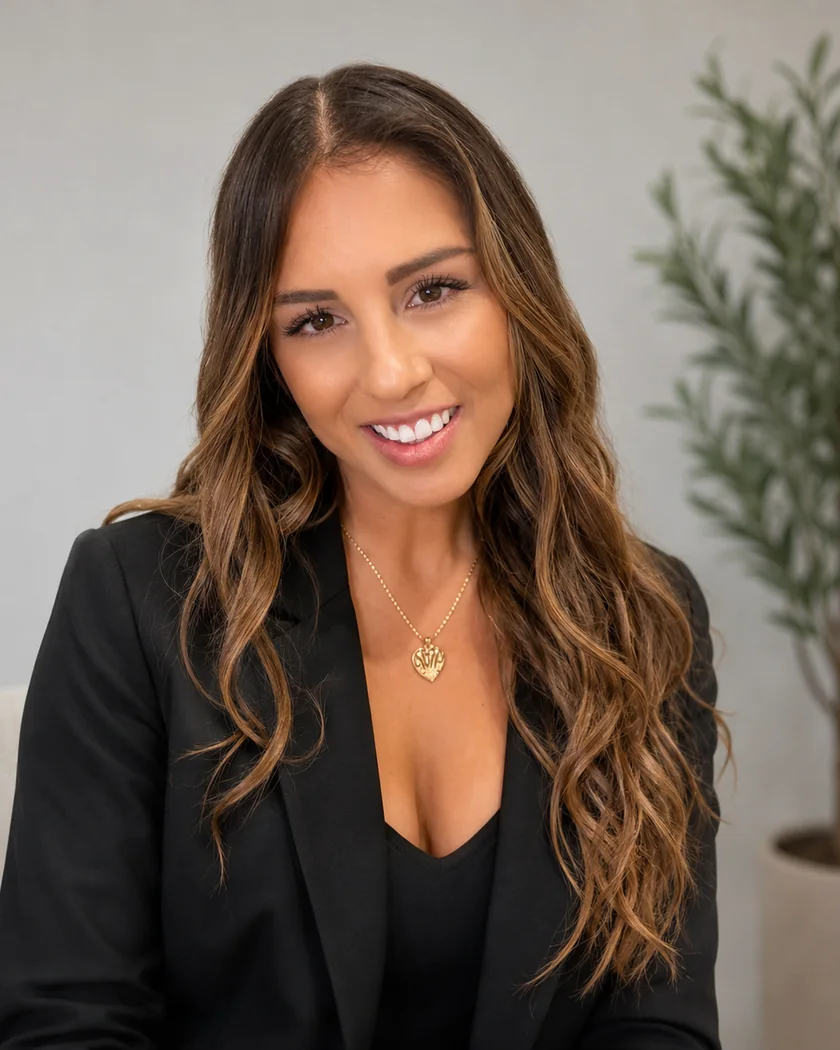
I'm Jennifer Asher Cardenas, and Brightwork is my small-by-design studio in Aliso Viejo. Over 12+ years I've grown 50+ brands, earned my MBA, and spent a large share of that time inside lifecycle programs: the flows, the segments, the deliverability housekeeping, the Thursday campaign that goes out whether or not the creative arrived.
Boutique means you get me, not a pod. No account manager relaying feedback to a junior who has never seen your catalog. And because I'm fluent in English and Spanish, your flows can feel just as natural in both. More on that in the bilingual marketing guide.
Areas served
Based in Aliso Viejo, working county-wide and with DTC clients nationwide, because lifecycle work is happily remote. I cover the coast, the corridors, and everything between, as an email marketing agency Orange County founders can actually get on a call with, and as an SMS marketing agency in Orange County for the same brands.
Start with the Orange County marketing agency hub, or the Costa Mesa page if you're a DTC brand, since that's where a lot of this county's consumer brands are built. Selling on Amazon too? The Amazon marketing page covers how the two channels feed each other.
Good questions
What Orange County founders ask before handing over their list.
It depends on scope, so there's no honest sticker price. What moves it: how much is already built, how many flows we need, whether SMS is in scope, and whether I'm producing the creative. An audit is the cheapest entry point, a fixed-scope build is finite, and an ongoing program with a campaign calendar is the most common shape for growing brands. For real market ranges, read what marketing costs for an Orange County small business, then we'll scope yours on a free discovery call.
Yes, always. You add me as a user on your own Klaviyo account and I build there: your data, your logins, your flows, your property. Nothing sits in a proprietary dashboard you lose access to when the engagement ends. Same principle if you're on Mailchimp, Shopify Email, Constant Contact, Brevo, HubSpot, or an SMS tool like Attentive or Postscript. I only recommend migrating when the tool is genuinely holding you back, because migrations cost time and put deliverability at risk.
Flows produce the earliest visible wins because they start working the day they go live. An abandoned cart flow on an account that never had one can show revenue in the first week. Deliverability repair is slower: if your sending reputation is damaged, expect a couple of months of careful sending before inbox placement recovers. Realistically, most accounts see meaningful movement inside the first 60 to 90 days, and the compounding part takes two or three quarters of consistent sending. Anyone quoting a percentage lift before opening your account is guessing.
There's no hard minimum, but the strategy genuinely changes with size. On a small list the work leans toward list growth, signup forms, and a strong welcome flow, because you need more of the right people before campaign testing means anything. On a large list it leans toward segmentation, deliverability, and winning back the people who have gone quiet. What actually disqualifies a brand isn't list size, it's traffic: if almost nobody is visiting your site, email is not your first problem, and I'll say so on the call.
At a high level, and this is not legal advice: US marketing texts are governed by the TCPA plus carrier and CTIA messaging guidelines. You need prior express written consent with clear disclosure of what you'll send and how often, and you need to register your brand for A2P 10DLC messaging through your provider. Every program needs working STOP and HELP handling, an obvious opt-out, respect for quiet hours, and records of consent. Reputable platforms handle much of this if you set them up properly. For real legal exposure, talk to a lawyer.
The data says otherwise. Klaviyo's 2026 email benchmarks, drawn from more than 183,000 brands, show automated flows delivering over 3 times the click rate and 13 times the placed-order rate of one-off campaigns, and generating nearly 41% of email revenue from just 5.3% of sends. Eightx, an ecommerce finance firm, puts a healthy band at 20 to 40% of total revenue coming from email plus SMS combined. What is actually dead is blasting the same discount to your whole list every week. Behavior-triggered, well-segmented email is still the highest-return channel most consumer brands have.
Both, and I'd rather run them together, because the good moments overlap. An abandoned cart sequence pairing an email with a well-timed text recovers more than either alone. That said, I use SMS with restraint: it's intimate, expensive per send, and unforgiving of a wasted message, so it's reserved for a launch, a real sale, a back-in-stock, or a cart someone left ten minutes ago.
Say hola
Tell me what platform you're on and what your last 90 days looked like. Every engagement starts with a free discovery call, and if I don't think there's real money sitting in your account, I'll say so.